Pilfer Game: Complete Rules, Strategy Guide, Winning Tips, and Why the Pilfer Game Is Gaining Popularity

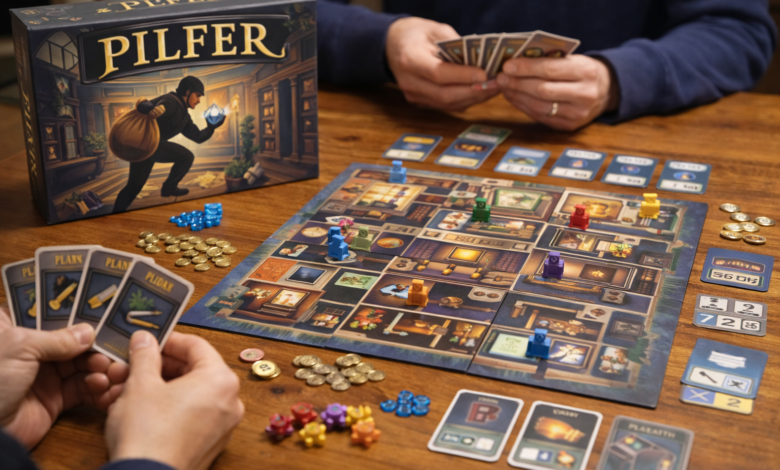
Introduction to the Pilfer Game
The Pilfer Game is a fast-paced, competitive card game built around the concept of stealing sets from other players while protecting your own. Unlike many traditional card games that rely purely on luck, the Pilfer Game blends strategy, timing, observation, and quick decision-making. Its simple setup and interactive gameplay have contributed to its rising popularity among families, casual gamers, and card game enthusiasts.
At its core, the Pilfer Game is about collecting complete sets of matching cards—usually four of a kind—while “pilfering” or stealing them from opponents if possible. The direct player interaction makes every round dynamic, ensuring that no one stays comfortable for long. Because of this, the Pilfer Game often creates an energetic and engaging atmosphere at the table.
The Objective of the Pilfer Game
The primary goal of the Pilfer Game is straightforward: collect the most complete sets of matching cards by the end of the round. A set typically consists of four cards of the same rank, such as four Kings or four 7s. However, house rules may adjust this number depending on the number of players or the deck used.
What makes the Pilfer Game unique is that sets are not fully secure until the round ends. Other players may be able to steal them under certain conditions. This constant tension adds excitement and forces players to think carefully about when to reveal or protect their collections.
Materials Needed to Play
One of the reasons the Pilfer Game is gaining popularity is its accessibility. All you need is:
- A standard 52-card deck
- Two to six players
- A flat playing surface
No special boards, tokens, or expansions are required. Because the Pilfer Game uses a regular deck of cards, it can be played almost anywhere—at home, during travel, or at social gatherings.
Basic Setup for the Pilfer Game
To begin the Pilfer Game, shuffle the deck thoroughly. Deal an equal number of cards to each player. If there are leftover cards, place them face down in the center as a draw pile.
Players keep their cards hidden from opponents. The game proceeds in turns, typically clockwise. The dealer goes first, though some groups prefer to rotate starting players between rounds to keep things balanced.
Core Rules of the Pilfer Game
On a player’s turn in the Pilfer Game, they may:
- Draw a card from the central pile, or
- Attempt to steal a card from another player by requesting a specific rank.
If the opponent has the requested card, they must hand it over. If not, the requesting player draws from the pile. This mechanic is similar to classic set-collection games but with more direct player targeting.
When a player completes a set (usually four of a kind), they place it face up in front of them. However, depending on house rules, these sets may still be vulnerable to being stolen if certain conditions are met.
How Stealing Works in the Pilfer Game
The stealing mechanic is what defines the Pilfer Game. If a player suspects that another player has nearly completed a set, they can attempt to “pilfer” cards strategically. This involves tracking which cards have been requested and observing opponents’ reactions.
Some versions of the Pilfer Game allow players to steal completed sets by collecting matching ranks through clever requests. Other variations restrict stealing to individual cards only. Before starting, players should clarify which rules they’re using.
Winning the Pilfer Game
The Pilfer Game ends when all possible sets have been completed or when the draw pile is exhausted and no further moves can be made. Players count the number of complete sets they have collected.
The player with the most sets wins the round. In extended play, participants may track cumulative points across multiple rounds to determine an overall champion.
Strategy Guide: Observing Your Opponents
Success in the Pilfer Game requires careful observation. Pay attention to which ranks players request and how quickly they respond. Hesitation can signal possession of certain cards.
Keeping mental notes of which cards have already formed completed sets also helps. If you know a particular rank is nearly exhausted, targeting it strategically may disrupt your opponent’s plans.
Strategic Timing in the Pilfer Game
Timing is everything in the Pilfer Game. Requesting cards too early may reveal your intentions, making it easier for opponents to block you. Waiting too long could allow someone else to complete the set first.
A strong strategy involves mixing genuine requests with occasional misdirection. By asking for cards you don’t urgently need, you can conceal your true objective and prevent others from predicting your moves.
Defensive Play Techniques
Defense in the Pilfer Game is just as important as offense. If you suspect someone is targeting a rank you hold, consider diversifying your strategy. Sometimes it’s better to delay completing a visible set to avoid drawing attention.
Maintaining a balanced hand reduces vulnerability. Holding too many cards of the same rank without completing the set can make you an easy target for pilfer attempts.
Winning Tips for Beginners
For new players learning the Pilfer Game, consider these tips:
- Start by focusing on one or two ranks at a time.
- Avoid announcing excitement when drawing needed cards.
- Keep track of discarded or completed sets.
- Stay adaptable; don’t lock yourself into a single strategy.
Beginners often underestimate the importance of memory and observation. The more rounds you play, the sharper these skills become.
Why the Pilfer Game Is Gaining Popularity
The Pilfer Game is gaining popularity for several reasons. First, it encourages direct interaction, making it more engaging than passive card games. Players are constantly involved, even when it’s not their turn.
Second, the rules are easy to learn but allow for depth in strategy. This balance appeals to both casual players and competitive thinkers. The flexibility of house rules also keeps gameplay fresh and customizable.
Social Appeal and Replay Value
The Pilfer Game thrives in social settings. Its fast pace and competitive nature often lead to laughter, playful rivalry, and lively discussions. Unlike longer strategy games, rounds are relatively short, allowing for multiple rematches in one session.
Replay value remains high because player behavior changes each time. Different opponents bring different strategies, ensuring that no two games feel exactly the same.
Variations of the Pilfer Game
Many groups introduce variations to personalize the Pilfer Game. Common adjustments include:
- Increasing the number of cards needed for a set
- Limiting steal attempts per turn
- Adding penalty cards for unsuccessful steals
- Playing with multiple decks for larger groups
These variations keep the Pilfer Game adaptable and prevent it from becoming predictable.
Common Mistakes to Avoid
Even experienced players make mistakes in the Pilfer Game. One common error is focusing too heavily on offense while neglecting defense. Another is forgetting which cards have already been revealed.
Overconfidence can also be costly. Just because you are leading in sets does not guarantee victory. A well-timed pilfer by an opponent can shift the outcome quickly.
Final Thoughts on the Pilfer Game
The Pilfer Game stands out as a simple yet strategic card game that blends luck, memory, and social interaction. Its easy setup, dynamic stealing mechanic, and fast-paced rounds make it appealing to a wide range of players.
As more people discover the Pilfer Game, its popularity continues to grow. Whether you’re looking for a family-friendly competition or a lively group activity, the Pilfer Game delivers engaging gameplay with endless strategic possibilities.
